
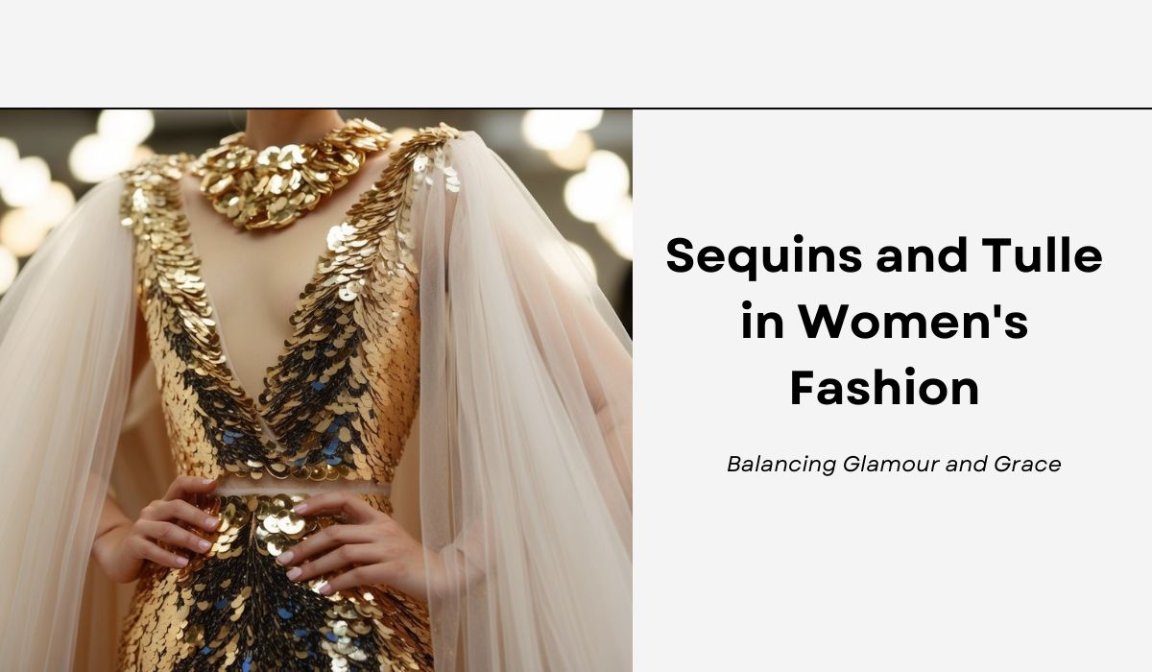
Creating Show-Stopping Combinations: How to Blend Sparkle and Softness for Unforgettable Style Statements
Sequins and tulle are two eye-catching fabrics that can create stunning looks when combined. These materials bring sparkle and volume to any outfit, making them perfect for special events or adding flair to everyday wear. Mixing sequins and tulle allows for endless creative possibilities in women’s fashion, from glamorous evening gowns to playful daytime ensembles.
Pairing these fabrics can seem tricky, but with the right balance, the result is often magical. A sequined top with a tulle skirt creates a dreamy silhouette, while a tulle dress with sequin accents adds just the right amount of sparkle. The key is to let one fabric take center stage while the other plays a supporting role.
Fashion-forward women are finding new ways to blend these textures for both formal and casual settings. A sequined blazer over a tulle dress can work for a night out, while a tulle overlay on a sequined skirt softens the look for daytime wear. The mix of hard and soft textures makes for interesting outfits that catch the eye and stand out in a crowd.
Table of Contents
Key Takeaways
- Sequins and tulle create versatile looks for various occasions
- Balancing the two fabrics is key to a successful outfit
- Mixing textures adds depth and interest to fashion designs
Historical Evolution of Sequins and Tulle
Sequins and tulle have long histories in fashion. These materials evolved from practical uses to become glamorous staples in women’s clothing. Their paths intertwined as designers embraced their unique qualities.
Origins of Sequins
Sequins date back to ancient times. King Tut’s tomb contained gold disks sewn onto garments. In the 1920s, sequins gained new popularity after this discovery.
Nobles in the 17th to 19th centuries wore clothes with metal bits for sparkle. By the 1970s, sequins became linked to disco fashion. Shiny outfits caught the light on dance floors.
Today, sequins add glitz to special occasion wear. Designers use them to make bold statements. Sequins now come in many colors and sizes. They appear on dresses, tops, and accessories.
Tulle Through Time
Tulle fabric emerged in the 18th century. It’s named after the French town Tulle. At first, people used it for veils and trims.
In the 1800s, tulle became part of ballet costumes. Its light, airy quality suited dancers’ needs. Soon, it moved into bridal fashion for veils and gowns.
By the mid-20th century, tulle skirts were trendy. Actresses wore them in movies, making the look popular. Now, tulle adds volume to skirts and dresses. It’s still a favorite for wedding gowns and formal wear.
Fabric and Material Analysis

Sequins and tulle are two very different fabrics with unique properties. Their contrasting textures and appearances create striking combinations in women’s fashion.
Properties of Sequins
Sequins are small, shiny discs often made of plastic or metal. They come in many colors and sizes, from tiny 2mm sequins to large 10mm ones. Sequins reflect light, adding sparkle and glamour to garments. They are usually sewn onto a base fabric like mesh or satin.
Sequin fabrics can be heavy and less flexible than other materials. They may snag easily on rough surfaces. Sequins work well for evening wear, formal dresses, and dance costumes.
Some sequin types include:
- Flat sequins
- Cup sequins
- Holographic sequins
- Matte sequins
Characteristics of Tulle
Tulle is a lightweight, fine net fabric. It’s often made from silk, nylon, or polyester. Tulle has a stiff texture with small, hexagonal holes throughout. This gives it an airy, delicate look.
Tulle comes in different levels of stiffness. Softer tulle drapes nicely, while stiffer types hold their shape better. The fabric is see-through but can be layered for more coverage.
Common uses for tulle include:
- Wedding veils and gowns
- Ballet tutus
- Formal skirts
- Decorative accents
Tulle can snag or tear easily. It’s not very durable for everyday wear. But its ethereal quality makes it perfect for creating volume in dresses and skirts.
Design Principles

Mixing sequins and tulle requires careful consideration of key design elements. These principles help create balanced, visually appealing looks that blend shine and softness.
Balancing Texture and Shine
Sequins add sparkle and texture, while tulle brings softness and volume. Aim for a 70/30 split between the two fabrics. Use sequins as accents on a tulle base, or vice versa. Place sequins strategically to draw the eye to certain areas.
For a subtle look, choose matte sequins with a sheer tulle overlay. Pair chunky sequins with stiffer tulle for more drama. Mix sequin sizes and shapes for added interest.
Layering is key. Try a sequined bodice with a tulle skirt. Or add a tulle cape over a sequin dress. This creates depth and contrast.
Color Harmonies
Sequins and tulle work best in complementary or monochromatic color schemes. Stick to one hue family for a cohesive look. Or pick contrasting colors that pop.
Neutral sequins (silver, gold, black) pair well with any tulle color. For drama, try bold sequin colors with matching or contrasting tulle.
Ombré effects blend colors smoothly. Fade from dark sequins to light tulle, or vice versa. This creates a flowing, gradient look.
Pastels work well for soft, romantic styles. Rich jewel tones add luxury. Metallics bring extra shine and glamour to any palette.
Structural Considerations
The weight and drape of sequins and tulle differ greatly. This affects garment structure and movement. Sequins add weight and stiffness. Tulle is light and airy.
Use sequins on fitted areas like bodices or slim skirts. Save tulle for fuller sections that need volume. A sequined sheath dress with a tulle overskirt balances structure and flow.
Consider garment support. Sequins need a sturdy base fabric. Tulle may need extra layers or lining for coverage. Boning or interfacing helps maintain shape in key areas.
Choose closures carefully. Zippers work well with sequins. Hook-and-eye or button closures suit delicate tulle better. Test fastenings to ensure they don’t snag either fabric.
Techniques in Combining Sequins and Tulle
Mixing sequins and tulle creates eye-catching designs. Layering these materials and using proper attachment methods are key to achieving stunning results.
Layering Strategies
Start with a base layer of tulle for volume. Add sequin fabric on top for sparkle. Alternate layers of tulle and sequins for depth and texture.
Use different colors of tulle between sequin layers for a unique look. Try placing sequin panels strategically on the tulle skirt.
Experiment with tulle overskirts on sequin dresses. This adds movement and softens the sparkle.
For a subtle effect, sandwich sequins between tulle layers. This creates a dreamy, twinkling appearance.
Stitching and Adhesion Methods
Sew sequin fabric to tulle with a zigzag stitch. This allows for stretch and prevents tearing. Use a sharp needle and polyester thread for best results.
Hand-sew individual sequins onto tulle for custom designs. This takes time but gives precise control over placement.
Try fabric glue for quick embellishments. Test first to ensure it doesn’t damage the tulle.
Use iron-on sequin appliques for easy application. Place a cloth over the applique when ironing to protect the tulle.
For removable sparkle, attach sequin trim with snaps or hook-and-loop tape. This allows for versatile styling options.
Occasion-Specific Styles

Sequins and tulle make a dynamic duo for various occasions. The combination can be dressed up or down to suit different events and settings.
Bridal and Couture
Sequins and tulle shine in bridal and couture fashion. Many wedding dresses mix a sequined bodice with a tulle skirt for a princess-like effect. Some brides opt for a full sequin gown with tulle overlays for added drama.
High-end designers often use these materials in evening wear. A popular style is a fitted sequin dress with tulle accents at the neckline or hem. Couture gowns might feature intricate sequin patterns on layers of tulle for a 3D effect.
Accessories like veils or capes made of tulle can soften a fully sequined dress. This combo works well for formal galas, award shows, and other black-tie events.
Casual and Streetwear
Sequins and tulle can work for everyday looks too. A tulle skirt paired with a sequin top makes a fun outfit for brunch or shopping. Some people mix a sequin jacket with a casual tulle dress for a night out.
Streetwear often includes unexpected mixes of textures. A sequin baseball cap or fanny pack can add sparkle to a tulle skirt and t-shirt combo. Sneakers with sequin details look great with a tulle dress for a sporty-chic vibe.
Layering is key in casual sequin and tulle outfits. A denim jacket over a sequin top and tulle skirt tones down the glam factor for daytime wear.
Performance and Stage Wear
Sequins and tulle are staples in performance costumes. Ballet dancers often wear tutus made of layers of tulle with sequin accents. Figure skaters use both materials to create eye-catching outfits that move well on the ice.
Pop stars and theater performers love sequin and tulle combos for their visual impact on stage. A sequin bodysuit with a detachable tulle skirt allows for quick costume changes. Some artists wear sequin-covered jackets over tulle dresses for a rock-and-roll meets romantic look.
Drag performers often use these materials to create over-the-top looks. A sequin corset paired with a massive tulle skirt makes for a show-stopping entrance.
Innovations in Fabric Blending

Fabric blending has seen major breakthroughs in recent years. New techniques allow designers to mix sequins and tulle in fresh ways. These advances focus on improving both the production process and the final product.
Technological Advancements
3D printing now lets designers create custom sequin shapes. These can be blended seamlessly with tulle for unique textures. Laser cutting machines make precise cuts in tulle, allowing for intricate sequin placement.
New adhesives bond sequins to tulle without damaging either material. This results in stronger, longer-lasting garments. Computerized embroidery machines can stitch sequins directly onto tulle in complex patterns.
Heat-bonding tech fuses sequins and tulle without stitching. This creates smoother transitions between the two fabrics.
Sustainable Practices
Recycled plastics are now used to make eco-friendly sequins. These blend well with tulle made from recycled polyester. Some companies use plant-based materials for biodegradable sequins and tulle.
Water-saving dyeing methods color both sequins and tulle using less resources. This cuts down on waste in the production process.
Brands are developing sequin-tulle blends that can be easily taken apart. This lets the materials be recycled separately at the end of the garment’s life.
New cleaning methods help sequin-tulle blends last longer. This reduces the need for frequent replacements.
Impact on Fashion Industry

Mixing sequins and tulle has transformed runway looks and consumer preferences. This blend of sparkle and softness has reshaped design approaches and market demands.
Market Trends
Sequin and tulle combinations have gained huge popularity in recent years. Many brands now offer dresses, skirts, and tops that mix these textures. Sales of such items have grown steadily since 2020.
This trend spans casual and formal wear. Shoppers seek sparkly tulle pieces for both everyday and special events. Retailers have expanded their selections to meet demand.
The mix also appeals across age groups. Young consumers embrace it for fun party looks. Older shoppers choose it for elegant evening wear. This broad appeal boosts its market impact.
Designer Spotlights
Top designers have embraced sequin and tulle blends in their collections. Valentino showcased glittery tulle gowns on recent runways. Elie Saab often uses the mix in red carpet looks.
Emerging designers also play with the combo. Many create unique textures by layering sequins under sheer tulle. Others mix sequin patterns with tulle shapes for fresh effects.
This trend has sparked creativity in accessories too. Shoes, bags, and hair pieces now feature sequin-tulle mixes. It’s opened new design possibilities beyond just clothing.
Care and Maintenance
Proper care keeps sequin and tulle garments looking their best. Regular cleaning and smart storage help these delicate fabrics stay beautiful longer.
Preservation Techniques
Store sequin and tulle pieces flat in breathable garment bags. This stops sequins from snagging and tulle from getting crushed. Keep them away from sunlight to prevent fading. Use padded hangers for dresses with heavy sequin sections.
Stuff tulle skirts with acid-free tissue paper to keep their shape. For sequined items, place tissue between layers to stop sequins from catching. Steam gently to remove wrinkles – avoid ironing sequins directly.
When traveling, roll tulle items carefully in soft cloth. Pack sequined pieces between layers of clothing to protect them. Use garment bags for extra safety during transport.
Cleaning Guide
Hand wash is best for both sequins and tulle. Use cool water and mild soap. Don’t twist or wring the fabric. Gently press out water with a towel.
For sequins, dab stains with a mix of dish soap and cold water. Use a soft cloth to clean between sequins. Rinse carefully to avoid loosening them.
Tulle can be spot-cleaned with a soft brush and mild detergent. Rinse thoroughly. Hang to dry – avoid direct heat or sunlight.
For tough stains or valuable pieces, seek professional dry cleaning. Make sure the cleaner knows how to handle delicate fabrics and sequins.
Outlook and Future Trends
Sequins and tulle are set to remain popular in women’s fashion for the coming seasons. Spring 2025 collections feature these materials prominently, signaling their continued relevance.
Designers are mixing sequins and tulle in creative ways. Expect to see more layered looks combining shimmery sequined pieces with ethereal tulle overlays.
Bold colors and patterns are trending for both sequins and tulle. Bright hues and eye-catching prints will likely dominate runways and retail collections.
Sustainability is becoming a key focus. Eco-friendly sequin alternatives and recycled tulle fabrics may gain traction as consumers demand more ethical fashion choices.
Casual-luxe styles are on the rise. Sequined and tulle elements are being incorporated into everyday wear, not just formal attire.
Vintage-inspired looks drawing from 1980s and 1990s aesthetics are making a comeback. This trend meshes well with the glamorous appeal of sequins and tulle.
Customization and DIY opportunities may increase. Brands could offer ways for customers to personalize sequined or tulle pieces to create unique styles.
As fashion becomes more inclusive, expect to see sequins and tulle used in a wider range of sizes and silhouettes to flatter diverse body types.
Frequently Asked Questions
Mixing sequins and tulle creates eye-catching looks for many occasions. These tips cover styling, care, and appropriate settings for sequined and tulle outfits.
What are the best practices for incorporating tulle with sequined outfits?
Balance is key when combining sequins and tulle. Pair a sequined top with a tulle skirt for a classic look. Or try a tulle overlay on a sequined dress to soften the sparkle.
Keep accessories simple when wearing both fabrics together. A delicate necklace or stud earrings work well.
How can one dress down a sequin skirt for daytime wear?
To make a sequin skirt daytime-friendly, pair it with casual pieces. A plain white t-shirt or denim jacket can tone down the glitz.
Flat shoes like sneakers or loafers also help create a more casual vibe. Avoid flashy jewelry to keep the look understated.
What are the current trends for sequins in everyday fashion as of 2025?
In 2025, sequins are showing up in unexpected places. Sequined accents on casual wear like jeans and sweatshirts are popular.
Pastel and muted sequins are trending for a softer daytime sparkle. Ombre sequin patterns are also making a splash in everyday fashion.
How should sequins be styled for formal events?
For formal events, full sequin gowns remain a classic choice. Mixing sequin textures, like matte and shiny, adds depth to the look.
Pairing a sequined top with a solid-colored bottom creates balance. Black tie events call for floor-length sequin dresses in rich colors.
What are some tips for maintaining the quality of sequin and tulle garments?
Hand wash sequined items in cold water with mild detergent. Lay flat to dry to prevent snagging.
For tulle, use a garment bag when washing. Avoid hanging tulle items to prevent stretching. Steam both fabrics instead of ironing.
Can sequin attire be considered appropriate for workplace settings, and how?
Some workplaces allow subtle sequin pieces. A sequined blazer or cardigan can work in creative office settings.
For conservative offices, limit sequins to small accessories like a clutch or belt. Always check the dress code before wearing sequins to work.
Related Posts: