
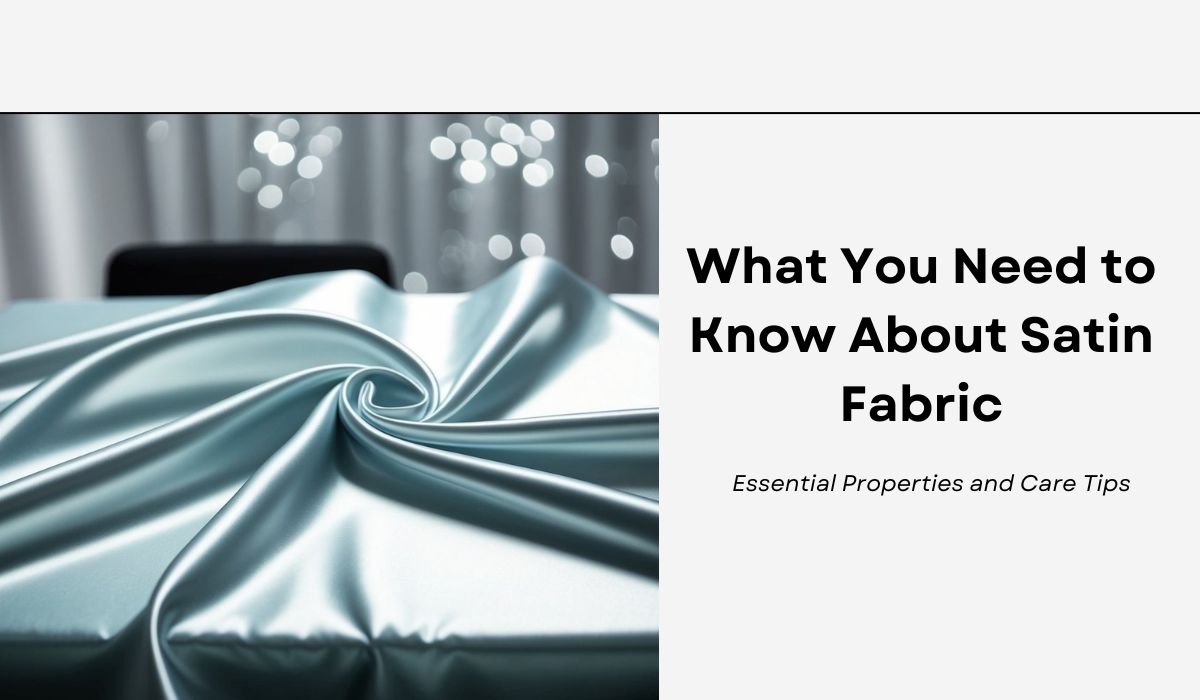
A Complete Guide to Understanding Satin’s Unique Characteristics and Maintaining Its Signature Sheen
Satin fabric is known for its smooth, shiny surface and luxurious feel. It has a long history dating back to ancient China, where it was made from silk fibers. Today, satin can be created from various materials, including silk, polyester, and nylon.
Satin is defined by its weave pattern rather than the specific fibers used to make it. This unique weave creates a fabric with a glossy front side and a dull back side. The shiny surface of satin is due to the long floats in the weave, which reflect light and give the fabric its signature luster.
Satin is used in many products, from clothing to home decor. It’s popular for dresses, lingerie, and bedding due to its soft texture and elegant appearance. While satin looks fancy, it needs special care. Washing satin in cold water on a gentle cycle helps keep its sheen and prevents damage.
Table of Contents
Key Takeaways
- Satin is a weave pattern that creates a shiny surface, not a specific type of fiber
- The fabric is used in clothing, bedding, and home decor for its luxurious look and feel
- Proper care, including gentle washing, is needed to maintain satin’s appearance and quality
History of Satin Fabric
Satin fabric has a long and rich history. It originated in ancient China, where it was first made using silk fibers. The Chinese called this luxurious fabric “Zaitun.”
Satin production began in Quanzhou, a city in China. From there, it spread along the Silk Road to other parts of Asia and the Middle East.
In the 12th century, Italy became the first European country to produce satin. This marked the fabric’s introduction to Western markets and fashion.
Originally, satin was made exclusively from silk. This made it very expensive and reserved for royalty and the wealthy. Over time, new materials were used to create satin.
Today, satin can be made from silk, polyester, or rayon fibers. This variety in materials has made satin more affordable and widely available.
The unique weaving process gives satin its smooth, glossy surface on one side and a dull finish on the other. This distinctive look has made satin a popular choice for centuries.
Satin remains a symbol of luxury and elegance. It is used in fashion, home decor, and many other applications, continuing its legacy as a prized fabric.
Characteristics of Satin
Satin fabric has unique qualities that set it apart from other textiles. Its distinct features make it a popular choice for various applications.
Texture and Shine
Satin has a smooth, glossy surface on one side. This shine comes from its weave structure. The fabric feels soft and slippery to the touch. Its luster catches light, giving it a luxurious look.
Satin’s sheen can vary based on the fibers used. Silk satin tends to have the highest shine. Polyester or nylon satin may have a more subtle glow.
The back of satin fabric often has a duller finish. This contrast adds to its unique texture.
Strength and Durability
Satin’s strength depends on its fiber content. Silk satin is delicate and needs gentle care. Synthetic satin made from polyester or nylon is more durable.
Most satin fabrics resist wrinkles well. This makes them good for travel clothes.
Satin can be prone to snagging. Sharp objects may damage its smooth surface. Proper care helps maintain its quality over time.
Drape and Flow
Satin has a fluid drape that moves gracefully. It clings to the body’s curves, making it ideal for fitted garments.
The fabric’s weight affects how it hangs. Lightweight satins float and billow. Heavier satins fall in elegant folds.
Satin’s smooth surface allows it to glide over other fabrics. This quality makes it useful for linings in coats and jackets.
Its flowing nature can make satin tricky to sew. It may slip while cutting or stitching. Special techniques help manage this fabric’s unique drape.
Types of Satin Fabric
Satin fabric comes in several varieties, each with unique qualities. These types differ in how they’re made, what they’re used for, and how they look and feel.
Charmeuse
Charmeuse satin has a glossy front and a dull back. It’s light and flowy, making it perfect for dresses and lingerie. This type of satin drapes well and feels smooth against the skin.
Charmeuse is often made from silk, but polyester versions are common too. It’s delicate and needs gentle care.
Designers love charmeuse for its elegant look. It’s a top choice for special occasion wear.
Duchess Satin
Duchess satin is thick and heavy. It has a rich sheen and stiff feel. This fabric holds its shape well, making it ideal for structured garments.
Wedding gowns often use duchess satin. It’s also great for formal dresses and home decor.
Duchess satin is usually made from silk or polyester. It’s more durable than lighter satins. This fabric can be pricey, especially when made from silk.
Slipper Satin
Slipper satin is soft and flexible. It has a slight sheen and smooth texture. This fabric is named after its use in making ballet slippers.
Besides dance wear, slipper satin is used for lingerie and linings. It’s comfortable and moves easily with the body.
Most slipper satin is made from polyester or nylon. It’s less shiny than other satins but still has a luxe feel.
Crepe Back Satin
Crepe back satin has two distinct sides. One side is shiny satin, while the other has a matte, textured crepe finish.
This versatile fabric can be used either side out. It’s popular for dresses, blouses, and scarves.
Crepe back satin drapes well and has a bit of stretch. It’s often made from silk or polyester. The crepe side gives garments a more casual look.
Double-Faced Satin
Double-faced satin has a shiny finish on both sides. It’s thicker and more durable than single-faced satins.
This fabric is great for reversible clothing and accessories. It’s also used in home decor and crafts.
Double-faced satin can be made from various fibers. It’s more expensive than single-faced satin due to its complex weave. The fabric feels luxurious and has a nice weight to it.
Production Process
Satin fabric is created through specialized weaving and finishing techniques. These processes give satin its signature smooth, glossy surface and soft feel.
Weaving Techniques
Satin weave uses long floats of warp yarns that pass over multiple weft yarns. This creates the fabric’s shiny face and duller back. The most common satin weaves are 4-harness, 5-harness, and 8-harness.
In a 5-harness satin, each warp thread floats over 4 weft threads before going under 1 weft thread. This repeats in a staggered pattern across the fabric.
Warp-faced satins have more visible warp floats on the surface. Weft-faced satins show more weft floats. The longer the floats, the more lustrous the fabric appears.
High-quality satin requires precise tension control during weaving to maintain an even surface. Automated looms help ensure consistency in modern satin production.
Finishing Processes
After weaving, satin undergoes finishing to enhance its properties. Calendering uses heated rollers to press the fabric, increasing smoothness and shine.
Chemical treatments may be applied to improve luster, softness, and wrinkle resistance. Mercerization is used on cotton satins to boost strength and sheen.
Some satins are given a moiré effect through embossing or heat-pressing to create wavy patterns. Dyeing and printing are often done as final steps to add color and designs.
Proper finishing is crucial for satin’s luxurious look and feel. It helps lock the weave structure in place and brings out the fabric’s characteristic gloss.
Uses of Satin Fabric
Satin fabric finds applications in various areas due to its smooth texture and lustrous appearance. Its versatility makes it a popular choice for different purposes.
Fashion Industry
Satin is a favorite in the fashion world. Designers use it to create elegant evening gowns and luxurious lingerie. The fabric’s shiny surface adds glamour to formal wear like suits and dresses.
Satin blouses and shirts are common in both men’s and women’s clothing. The material’s drape makes it ideal for flowing skirts and pants.
Accessories like scarves, ties, and handbags often feature satin. Its smooth texture feels nice against the skin, making it perfect for sleepwear and robes.
Home Decor
Satin brings a touch of luxury to home interiors. It’s often used for bedding, including sheets, pillowcases, and comforters. The fabric’s cool feel makes it comfy for sleeping.
Curtains and drapes made from satin add elegance to rooms. Table runners and placemats in satin create a fancy look for dining areas.
Decorative pillows and throw blankets in satin give sofas and chairs a plush look. The fabric’s sheen catches light, adding depth to room decor.
Upholstery
Satin is a top choice for upholstery in high-end settings. Luxury hotels and restaurants often use satin-covered chairs and sofas to create a posh atmosphere.
In homes, satin upholstery adds a fancy touch to living room furniture. It’s also used for headboards in bedrooms, creating a lavish look.
Satin upholstery is common in vintage or antique furniture restoration. Its smooth surface is ideal for formal dining room chairs and ottomans.
Caring for Satin Fabric

Proper care keeps satin looking luxurious. Gentle cleaning and smart storage help maintain its soft sheen and smooth texture.
Cleaning Methods
Hand washing is often best for satin. Use cool water and mild soap. Gently squeeze the fabric – don’t wring or twist. Rinse well with cool water.
For machine washing, use the delicate cycle. Put satin items in a mesh bag. Choose a gentle detergent made for delicates. Wash in cold water.
Avoid bleach and harsh chemicals. They can damage satin’s fibers and dull its shine.
Spot clean small stains right away. Dab gently with a soft cloth and mild soap solution. Don’t rub, as this can spread the stain.
Air dry satin items flat. Keep them out of direct sunlight. Heat can weaken the fabric.
Storage Tips
Hang satin clothes on padded hangers. This prevents creases and keeps the fabric’s shape.
Store satin items in a cool, dry place. Avoid damp areas that could lead to mildew.
Use breathable garment bags for long-term storage. These protect from dust while letting air circulate.
Fold satin sheets and pillowcases loosely. Don’t stack heavy items on top of them.
Keep satin away from rough surfaces. These can snag the delicate fabric.
Add silica gel packets to storage areas. They absorb moisture and help prevent mold.
Environmental Impact and Sustainability

Satin fabric has both positive and negative effects on the environment. Its production uses a lot of water, which can strain local resources. The manufacturing process also often involves harmful chemicals and dyes.
Synthetic satin made from polyester is not biodegradable. It can take hundreds of years to break down in landfills. Natural fiber satin from silk or cotton is better for the planet, as it decomposes faster.
The care of satin clothes adds to its environmental footprint. Dry cleaning uses harsh chemicals that pollute water and air. Washing satin at home also uses energy and water.
Some companies are working to make satin more eco-friendly. They use less water and safer dyes in production. Recycled polyester is another option for more sustainable synthetic satin.
Consumers can help by choosing natural fiber satin when possible. Washing satin items less often and air-drying them saves energy. Buying second-hand satin clothes also reduces waste.
There’s no perfect solution, but small changes can lessen satin’s impact on the planet. Being aware of these issues helps people make smarter choices about their fabric use.
Comparing Satin to Other Fabrics
Satin stands out from other fabrics due to its unique qualities. Its smooth, glossy surface and drape set it apart. Let’s look at how satin compares to some common alternatives.
Satin vs Silk
Satin and silk share a lustrous appearance, but they differ in key ways. Silk is a natural fiber, while satin is a weave that can use various fibers.
Silk tends to be more expensive and delicate than satin. It requires special care when washing and ironing. Satin, on the other hand, is often more affordable and easier to maintain.
Both fabrics feel smooth against the skin. Silk has a lighter, more breathable quality. Satin can be made from synthetic fibers, giving it more durability and wrinkle resistance.
For formal wear, silk is often preferred for its luxury feel. Satin is popular for both clothing and home decor due to its versatility and lower cost.
Satin vs Velvet
Satin and velvet offer different textures and visual effects. Velvet has a soft, fuzzy surface with a deep pile. Satin is smooth and shiny.
Velvet tends to be heavier and warmer than satin. It’s often used for winter clothing and upholstery. Satin works well year-round and drapes more easily.
Care requirements differ between the two. Velvet needs gentle handling to maintain its pile. Satin is generally easier to clean and less prone to crushing.
Both fabrics can add a luxurious touch to garments and decor. Velvet creates a rich, opulent look. Satin offers a sleek, elegant appearance.
Satin vs Polyester
Polyester is a synthetic fiber, while satin is a weave that can include polyester. This means some satin fabrics are made from polyester.
Pure polyester tends to be less expensive and more durable than many satin fabrics. It resists wrinkles and shrinking well. Satin made from other fibers may require more careful handling.
Polyester can feel less breathable than natural fiber satins. It may not drape as smoothly as high-quality satin fabrics. However, polyester satin combines some benefits of both materials.
For everyday wear, polyester is often chosen for its practicality. Satin is favored when a more luxurious look and feel is desired, especially for special occasions or formal wear.
Frequently Asked Questions
Satin fabric has unique qualities and care requirements. Let’s explore some common questions about this luxurious material.
What are the distinctive characteristics of satin fabric?
Satin has a smooth, glossy surface and a dull back. It feels soft to the touch and has a slight sheen. The fabric drapes well and is often used for elegant clothing.
How do I determine the quality of satin material?
Check the fabric’s weight and feel. Higher quality satin is usually heavier and smoother. Look at the weave – tighter weaves indicate better quality. The sheen should be even across the surface.
Which types of satin fabric are most suitable for formal dresses?
Silk satin is ideal for formal dresses due to its luxurious look and feel. Polyester satin can be a more affordable option. Charmeuse satin works well for flowing gowns.
What are the primary uses of satin fabric?
Satin is used for many purposes. It’s common in formal wear, lingerie, and bedding. The fabric is also used for accessories like shoes and bags. Some people use satin for home decor items.
Can satin fabric be comfortably worn in different seasons?
Satin can be worn year-round. Light satin is good for summer clothing. Heavier satin works well for winter garments. The fabric’s smooth texture feels nice against the skin in any season.
What care instructions should be followed to maintain satin’s appearance?
Hand wash or dry clean satin to protect its finish. Use cool water and mild soap if washing at home. Iron on low heat with a cloth barrier. Store satin items flat or hung to avoid wrinkles.
Related Post: Fabric 101: Essential Guide to Textile Types and Care